Mastering the Art of Cooking in a Professional Class
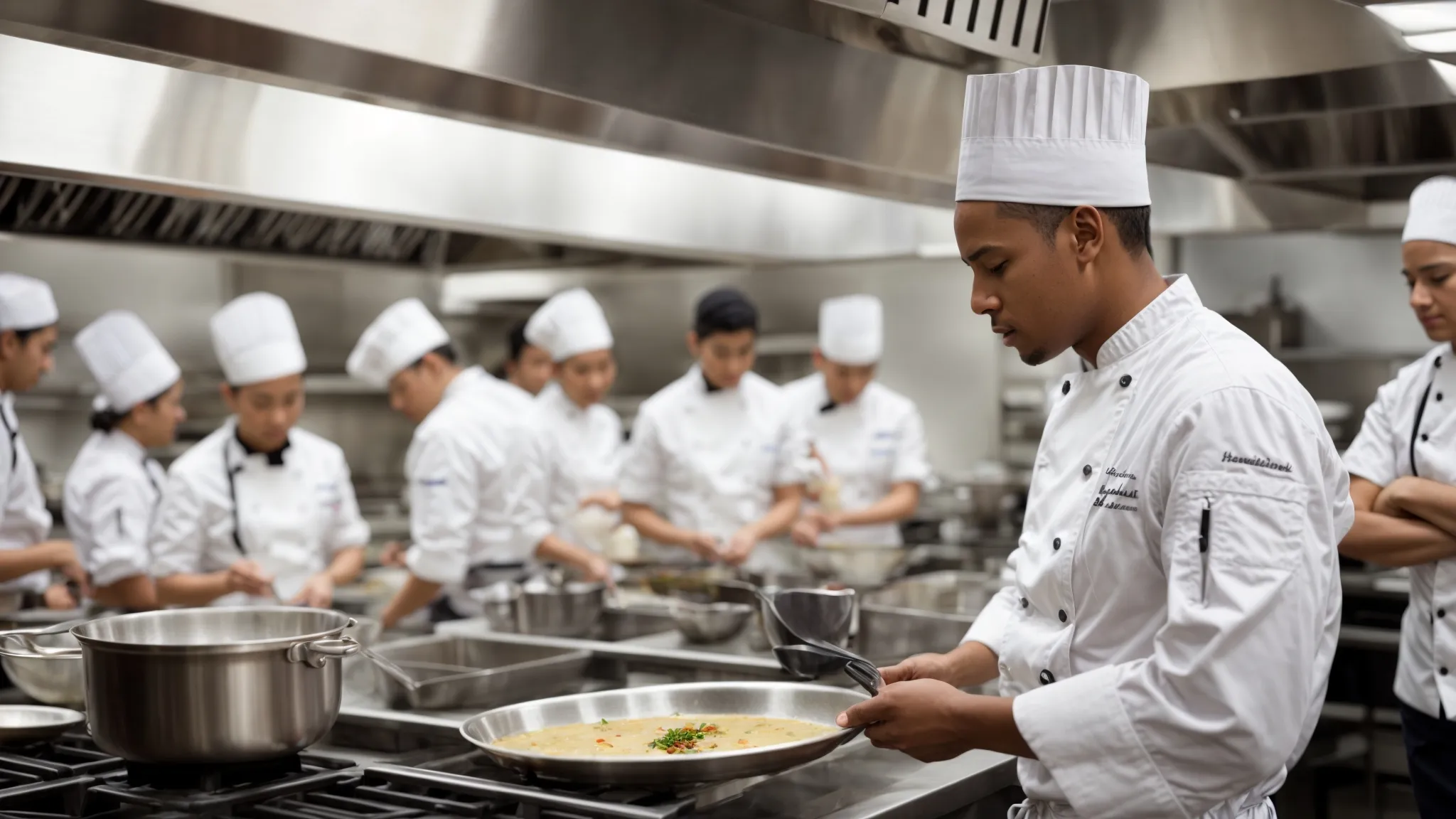
Many aspire to whip up culinary delights like a professional chef, yet the path to masterful cooking lies in understanding the fundamental techniques and principles. By honing critical skills, such as precise knife work and the application of proper temperatures, budding chefs can elevate their cooking from ordinary to extraordinary. A professional cooking class NYC residents attend often proves to be a game-changer, transforming amateur cooks into savvy culinary artists.
Whether it’s preparing intricate dishes with confidence or improvising with seasonings to create a masterpiece, the knowledge gained in a professional setting can make all the difference. Below is a breakdown of core areas that you can expect to learn and master in a professional cooking class.
Mastering Knife Skills for Efficient Food Preparation
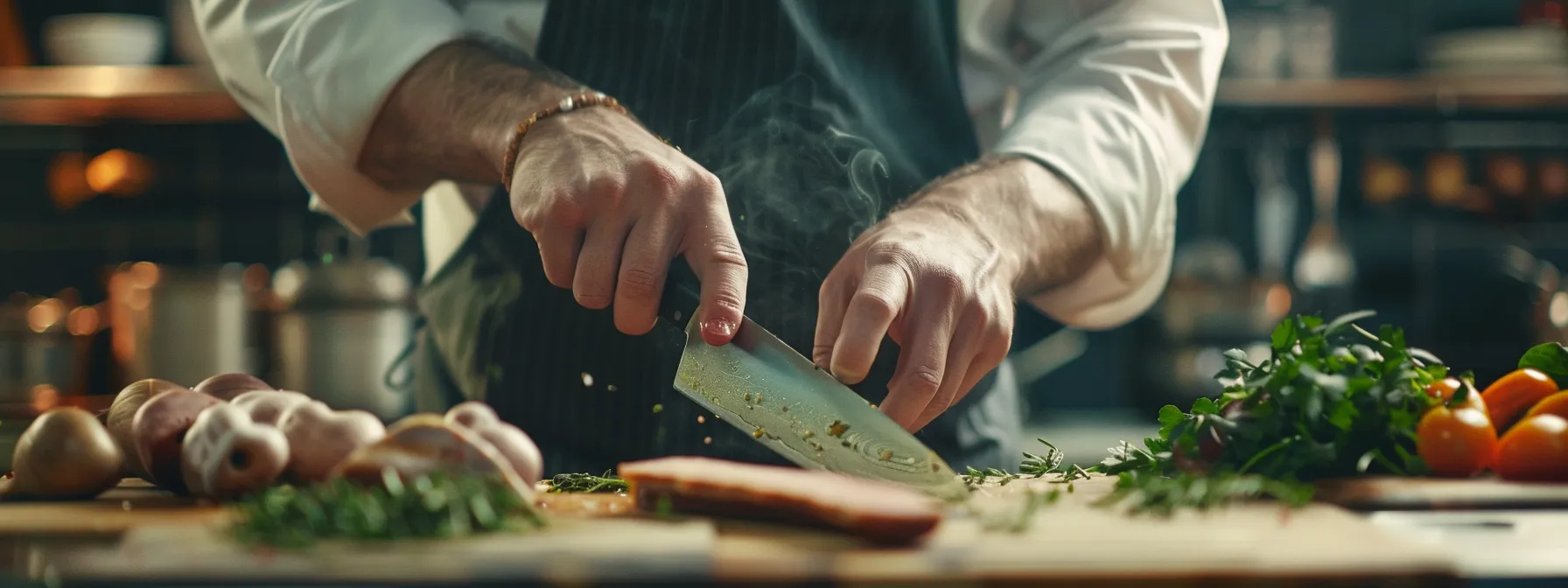
Knife skills are the cornerstone of all cooking techniques, impacting everything from the cooking process to presentation. A well-executed dice or julienne can enhance the texture and flavor of a dish, as well as reduce cooking time. In professional classes, chefs emphasize the importance of proper cutting techniques for safety and efficiency.
Stats show significant improvement in food preparation time when cooks learn and apply precise knife skills. For example, by mastering techniques like the ‘claw grip’ and ‘rock chop,’ students can achieve more consistent cuts and reduce prep time by up to 20%. Moreover, this adds an element of finesse to their culinary creations.
To implement these skills at home, invest in a quality chef’s knife, practice regularly on a variety of produce, and focus on maintaining good form. Remember, speed will come with time, but consistency and safety should always be prioritized during food preparation.
Exploring the Science of Flavor Combination and Seasoning
The ability to combine flavors and season foods correctly can transform a bland meal into a flavorful journey. The best cooking classes demystify the complex interaction of tastes and show how to achieve balance and harmony on the plate. Understanding the nuances of seasoning is as much about science as it is art.
Taking a professional class reveals the intricacies behind mixing herbs, spices, and seasonings to enhance the natural flavors of the food. One study found that chefs who master seasoning can increase the palatability of their dishes by up to 40%. Classes also teach the importance of seasoning throughout the cooking process rather than just at the end.
Practicing flavor balancing at home requires experimenting with different combinations and noting the effects on different dishes. Begin with classic pairings, like rosemary with lamb, and gradually branch out to more adventurous mixtures, such as wasabi with chocolate for a unique taste sensation.
Techniques for Perfecting Cooking Temperatures and Times
Cooking to perfection is, in large measure, a function of controlled temperature and timing. These variables can mean the difference between a succulent steak and one that’s overdone. Professional classes offer valuable insights into the precise temperatures needed for various types of foods and techniques, from searing to sous vide.
Understanding the thermal properties of different cooking techniques ensures the desired doneness. For instance, meat cooked to the exact internal temperature can have a moisture retention increase by as much as 10-15%. This greatly impacts both texture and flavor. Chefs learn to use tools like meat thermometers and ice baths to guarantee results.
Start by familiarizing yourself with the recommended temperatures for various proteins and produce, and strictly adhere to those guidelines during cooking sessions. Experimenting with low-temperature cooking and learning the patience it requires can also lead to more tender, flavorful meals.
Plating and Presentation: Elevating the Dining Experience
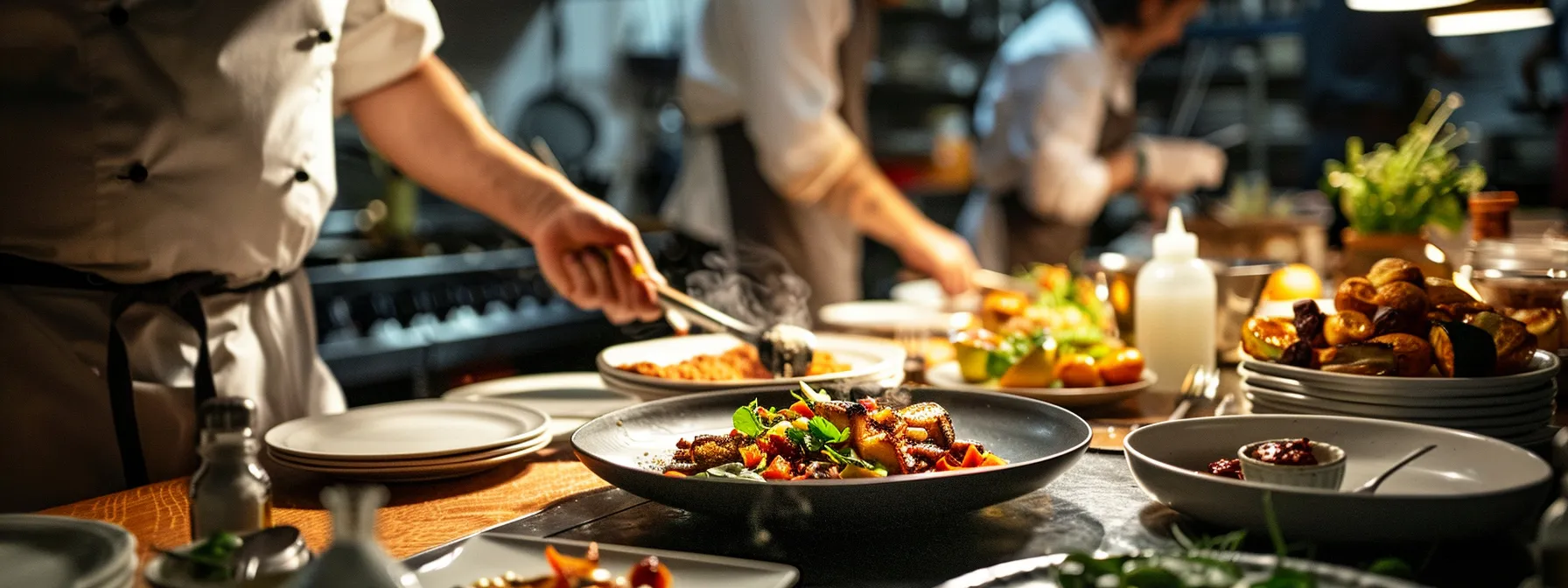
First impressions in the culinary world are made with the eyes. Thus, a significant emphasis is placed on the art of plating and presentation in professional cooking classes. A beautifully arranged dish speaks to the care and skill of the chef before the diner even takes a bite.
To practice the art of presentation at home, start simple. Focus on clean plate rims, the strategic placement of ingredients for visual impact, and the use of small garnishes to add color and texture. With time, these efforts will become second nature, and your dishes will be as delightful to the eyes as to the palate.
Ultimately, mastering professional cooking techniques improves not just the flavor and presentation of food but also enhances safety and efficiency in the kitchen. A professional cooking class offers a hands-on approach to learning these invaluable skills, ensuring that students not only enjoy the process but are also well-prepared to bring gourmet dining into their everyday lives.